Menopause is a time of significant change. Alongside symptoms such as hot flashes, night sweats, sleep changes and shifts in mood, many people also notice new or increases aches, stiffness and muscle discomfort. If you live with arthritis, these changes can make managing your joints and staying active feel even more challenging.
There are practical things you can do to support your muscles, bones, and joints during and after menopause. Small, consistent changes to movement, nutrition, sleep, and everyday habits can help you stay strong, mobile and independent. 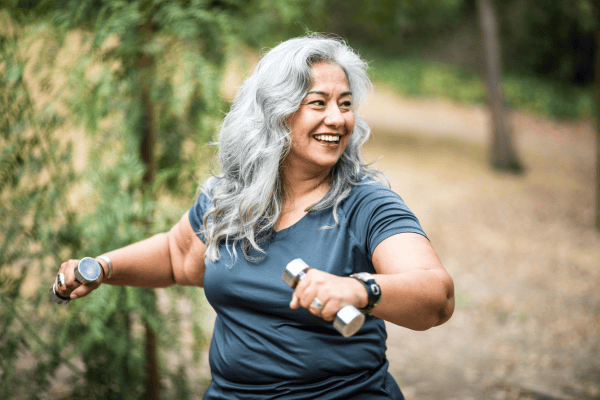
Why Can Menopause Affect Your Bones, Muscles and Joints?
During perimenopause and menopause, oestrogen levels decline. Oestrogen plays an important role in supporting healthy joints and bones. It helps protect cartilage, which provides cushioning between the joints, supports bone strength and density, and helps regulate inflammation throughout the body. Oestrogen also contributes to collagen production, which is important for maintaining joint flexibility and connective tissue health. As oestrogen levels decrease during perimenopause and menopause, some of these protective effects may be reduced, potentially making the joints, bones and surrounding tissues more susceptible to stiffness, discomfort and other changes.
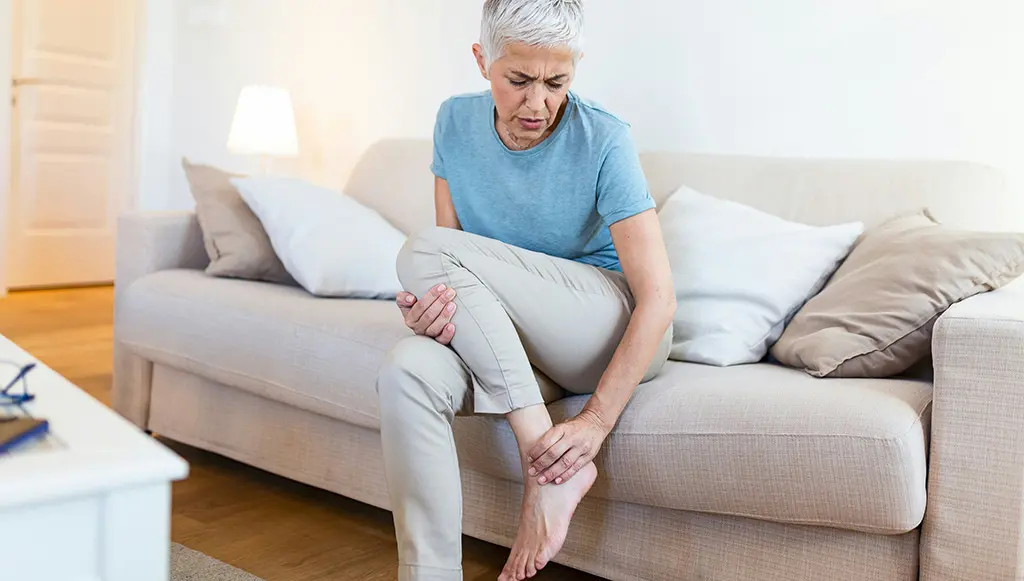
Perimenopause and menopause can also affect several parts of the musculoskeletal system, including bones, muscles, tendons, cartilage, and ligaments. Changes can contribute to reduced bone density, muscle loss, and slower muscle recovery. Menopause can also be associated with muscle and joint aches and stiffness. These symptoms can sometimes overlap with arthritis, making it difficult to know whether a change is related to menopause, your existing arthritis or something else.
This is why your overall musculoskeletal health becomes particularly important.
1. Keep Moving
When your joints are painful and stiff, it can be tempting to rest more. However research shows that regular movement is incredibly important to help maintain joint mobility, muscle strength, and overall health.
Choose activities you enjoy and that feel comfortable and appropriate for your body. Regular movement can help maintain joint mobility, build muscle strength, improve balance and support your overall wellbeing. You don’t need to do a lot at once, even starting with 5–10 minutes a day can be a great first step.
Depending on your arthritis, fitness level and interests, you might enjoy:
- Walking on even surfaces with supportive footwear is a great low-impact way to stay active. Start slowly and build up gradually, even if you begin with just 5–10 minutes a day.
- Swimming, hydrotherapy or water-based activities: Exercising in water can be particularly comfortable for people with arthritis because the water supports your body and reduces the impact on your joints. Even walking in the water can help improve strength, mobility and confidence.
- Cycling provides a low-impact way to strengthen your legs and improve fitness without putting as much stress on your joints. A stationary bike can be a convenient option too. If you’re using one, make sure the seat is adjusted to the right height to help reduce strain on your knees.
- Gentle Strength Exercises: Strengthening your muscles can help support and protect your joints, improve your balance and make everyday activities easier. You don’t need to lift heavy weights; gentle resistance exercises can be a great place to start. Check out our Arthritis Moves classes for guided exercise options.
- Dancing is a fun way to move your whole body while improving strength, balance, coordination and fitness. Choose movements and a pace that feel comfortable for you. Find out more about our Dance for Arthritis classes.
- Tai Chi uses slow, controlled movements and can help improve balance, flexibility, strength and confidence in movement. It can also be a calming and enjoyable way to stay active. Learn more about our Tai Chi for Arthritis classes.
- Gentle Yoga or Pilates can help improve flexibility, mobility and core strength through slow, controlled movements. Choose exercises that can be comfortably adapted to your abilities and avoid movements that cause pain.
- Gardening can be a wonderful way to stay active while doing something you enjoy. Digging, planting, walking and tending to your garden all involve movement. Remember to pace yourself, avoid lifting heavy objects where possible and take care when repeatedly moving between sitting, kneeling and standing.
The most important thing is to find movement that you enjoy can maintain. Start small, listen to your body and gradually build up as you feel able. If you’re unsure which activities are suitable for you, speak with your healthcare professional or an exercise professional for individual guidance.
2. Build Stronger Muscles
Muscle strength becomes increasingly important as we age. As we get older, we naturally begin to lose muscle mass and strength, a process known as sarcopenia. Regular strength and resistance exercises can help slow this process by maintaining muscle mass, strength and function, making everyday activities easier and helping us stay independent.
Strength and resistance exercises are also beneficial for bone health. During perimenopause and menopause, changes in oestrogen levels can accelerate bone loss, which may increase the risk of osteoporosis and fractures.
The Australasian Menopause Society recommends including strength training as part of a healthy lifestyle during and after menopause. Strength exercises don’t necessarily mean lifting heavy weights. Depending on your abilities, you might use:
- Your own body weight
- Resistance bands
- Light hand weights
- Weight machines
- Exercises such as sit-to-stand from a chair
If you have painful or swollen joints, an exercise physiologist, physiotherapist or other healthcare professional can help you develop an appropriate program.
3. Don’t forget your bones
Bone health becomes especially important around menopause because declining oestrogen levels can increase the rate of bone loss. Over time, this can contribute to osteoporosis, a condition where bones become weaker and more fragile, increasing the risk of fractures.
A fracture from a fall can have a significant impact on mobility, independence and quality of life. This is why supporting bone strength and reducing your risk of falls are important parts of looking after your health during and after menopause.
Weight-bearing and resistance exercises, such as walking, dancing and strength training, can help support bone health. Activities that improve strength, balance and coordination, such as Tai Chi, can also help you feel more confident on your feet and may help reduce your risk of falls.
If you have concerns about your bone health, have experienced a fall, or have risk factors for osteoporosis, speak with your GP about your individual risk and whether a bone health assessment or bone density scan may be appropriate.
4. Look After Your Calcium and Vitamin D
Nutrition plays a key role in maintaining healthy bones, muscles and overall wellbeing. Aim for a balanced diet containing a variety of nutritious foods, including good sources of protein and calcium.
For women over 50, the Australasian Menopause Society recommends 1,300mg of calcium per day, preferably obtained through food. This equates to 3-4 serves of dairy a day. Vitamin D is also important as it helps the body absorb calcium.
Good dietary sources of calcium include:
- Milk.
- Yogurt.
- Cheese.
- Calcium fortified plant milks.
- Some fish with edible bones (canned fish).
- Calcium containing Tofu.
- Some green vegetables (kale, broccoli or bok choy to name a few).
If you’re unsure whether you’re getting enough calcium or vitamin D, speak with your GP or Accredited Practising Dietitian.
5. Pace Yourself
When you’re managing arthritis alongside menopause symptoms, it’s important to listen to your body. Doing too much on a good day can sometimes leave you exhausted or more uncomfortable afterwards.
Try pacing your activities by:
- Breaking larger tasks into smaller jobs.
- Alternating heavier and lighter activities.
- Taking short rest breaks.
- Avoiding long periods in one position.
- Planning demanding activities for times when your energy is highest.
Pacing doesn’t mean avoiding activity. Instead, it’s about finding a balance that allows you to remain active without constantly pushing beyond your limits.
6. Support Your Joints During Everyday Activities
Small changes to the way you complete everyday tasks can reduce unnecessary strain on your joints. For example:
- Use ergonomic kitchen utensils if gripping is difficult.
- Choose lightweight cookware.
- Use a trolley rather than carrying heavy items.
- Keep frequently used items within easy reach.
- Sit down for tasks when appropriate.
- Use assistive devices when they make an activity easier.
An occupational therapist can help identify practical changes to your home, work environment or daily routines that may reduce strain and help you maintain independence.
7. Don’t Ignore Sleep
Sleep can be disrupted during perimenopause and menopause, with hormonal changes, night sweats, hot flushes and other symptoms making it harder to fall asleep or stay asleep. At the same time, arthritis pain and stiffness can also interfere with restful sleep, and poor sleep can make pain feel more intense, creating a frustrating cycle.
Some simple strategies can support both menopause-related sleep changes and arthritis discomfort. Try keeping your bedroom cool, dark and comfortable, particularly if night sweats or hot flushes are an issue. A consistent bedtime and wake-up routine, gentle stretching, relaxation or mindfulness before bed, and regular movement during the day may also help support better sleep and reduce stiffness.
If sleep problems are persistent or significantly affecting your quality of life, speak with your GP. There are treatment options for menopause-related sleep difficulties, including psychological therapies such as CBT and, for some people, menopausal hormone therapy.
8. Look After Your Balance
Strong muscles are only part of staying mobile. Balance is also important. Activities such as tai chi, yoga and Pilates can help improve balance and mobility, while strength and weight-bearing exercises support muscle and bone health.
You can also reduce your risk of falls by:
- Wearing supportive, well-fitting footwear.
- Keeping walkways clear.
- Removing loose rugs or trip hazards.
- Making sure your home is well lit.
- Having your vision and hearing checked when appropriate.
If you feel unsteady or have experienced a fall, talk with your healthcare professional.
9. Don’t Assume Every New Ache Is “Just Menopause”
It’s common to experience aches and stiffness during and after menopause, but new, persistent or worsening joint pain shouldn’t automatically be attributed to menopause.
If you notice a significant change in your arthritis symptoms, ongoing swelling, increasing stiffness or pain that is affecting your daily activities, speak with your GP or healthcare team. Getting the right assessment can help identify whether symptoms are related to arthritis, menopause or another condition, and ensure you receive appropriate treatment.
10. Ask for Support
You don’t have to navigate menopause and arthritis on your own.
Your healthcare team may include your:
- GP.
- Rheumatologist.
- Physiotherapist.
- Occupational therapist.
- Exercise physiologist.
- Accredited Practising Dietitian.
- Menopause specialist.
Each professional can offer a different perspective to help you stay active, manage symptoms and protect your long-term health.
Stronger Joints and Muscles Start with Small Steps
Menopause can bring changes to your body, but it doesn’t mean you have to stop doing the activities you enjoy. Regular movement, strength exercises, good nutrition, adequate calcium and vitamin D, quality sleep and practical joint-protection strategies can all contribute to healthier bones, stronger muscles and better mobility.
Most importantly, find an approach that works for you. You don’t need to make every change at once. Start small, build gradually and seek professional guidance when you need it.
Key Takeaways
- Menopause can affect bones, muscles, tendons and joints as oestrogen levels change.
- Regular movement and strength training can support muscle and bone health.
- Weight-bearing exercise can help maintain bone density.
- Adequate calcium and vitamin D are important for bone health.
- Pacing activities can help manage fatigue and arthritis symptoms.
- Balance exercises and reducing trip hazards can help lower falls risk.
- New or worsening joint pain should be discussed with your healthcare professional.
- You don’t have to manage these changes alone, there are healthcare professionals who can help.
Additional Resources:
- Australasian Menopause Society Website (infosheets, free recorded webinars and infographics): https://hub.menopause.org.au/Channel/resourcesforconsumers
References:
- Australian Menopause Centre. Joint Pain and Hormones: Your Action Plan for Staying Active. 2026. Available here.
- Australasian Menopause Society. Menopause and Bone Health – Decreasing the risk of Osteoporosis Factsheet. Available from: https://hub.menopause.org.au/Play?pId=b982016e-27ba-49ea-9689-051544d45a03
- Australian Government. Department of Health Disability and Ageing. Treatment Options. Available from: https://www.health.gov.au/perimenopause/management-and-support/treatment-options
- Australian Government. Department of Health Disability and Ageing. Symptoms. Available from: https://www.health.gov.au/perimenopause/understanding/symptoms