Getting out of a chair, stepping off a kerb or turning to answer someone all rely on balance. What you might not realise is how much your muscles contribute to keeping you steady. For people with arthritis, maintaining muscle strength can support both balance and confidence in everyday movement. 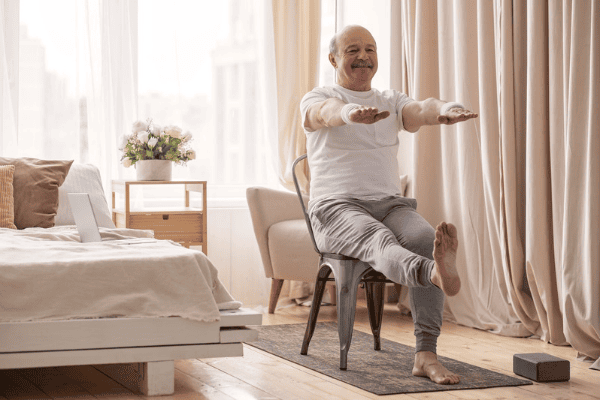
How muscles help you stay steady
Balance is a team effort between your brain, eyes, inner ear, joints and muscles. Your senses help your brain recognise your position, while your muscles help you hold that position or adjust as you move.
The muscles around your hips, thighs, ankles and trunk help support your body and control movement. Their work matters when you stand up, change direction or walk across an uneven surface. Strength is an important part of balance, although it is only one part of the picture.
Why arthritis can affect the picture
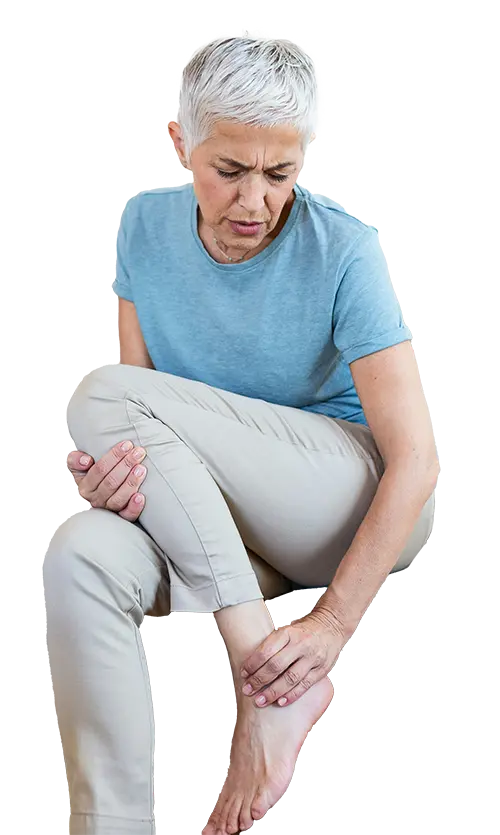
Pain, stiffness and fatigue can make movement harder. You may find yourself walking less or avoiding activities that feel uncomfortable. Over time, reduced activity can contribute to muscle weakness, leaving everyday tasks more demanding and movement less steady.
Arthritis can also affect balance in other ways. Pain or changes in your feet can make it harder to feel stable on the ground, while joint swelling and reduced mobility can affect how you move. Some medications may cause dizziness or drowsiness, which can also influence steadiness.
This can become a difficult cycle: movement feels harder, so you do less, and your muscles have fewer opportunities to stay strong. Appropriately tailored strength training can help maintain or rebuild strength, even when you have arthritis.
Strength for everyday life
Building strength can help support your joints, improve mobility and make daily activities easier. The goal might be getting up from the toilet more comfortably, managing a step, carrying shopping or feeling more secure while preparing a meal. These practical changes can matter just as much as the amount of weight you can lift.
Stronger muscles can also help you maintain independence and stamina, making it easier to participate in activities you enjoy. You do not need to be particularly fit or athletic to benefit. Strength training can be adapted to different ages, abilities and types of arthritis.
Getting started safely
Strength training means asking your muscles to work against resistance. That resistance might come from your own body weight, a resistance band, light weights or gym equipment. A gym is optional.
A physiotherapist or accredited exercise physiologist can help you choose movements that suit your joints, symptoms and current ability. Depending on your needs, these might include practicing a supported sit-to-stand, seated strengthening or exercises with a light resistance band.
You can also look for small opportunities to build strength into your usual routine, such as following a tailored home exercise program or gradually increasing the resistance of exercises you already do. Everyday activities can help you stay active, although specific strengthening exercises may be needed to build muscle effectively.
Start with a manageable amount and build gradually. Consistency matters more than doing a lot at once. Regular movement throughout the day is valuable, but targeted strengthening may also be needed to improve muscle strength.
Adapting exercise to your symptoms
Living with arthritis often means your symptoms can vary from day to day. On a day when pain, stiffness or fatigue is worse, you may need to reduce the intensity, shorten your session or focus on gentler movements.
During a flare-up, avoid forcing or adding resistance to a joint that is hot, swollen or particularly painful. You may still be able to move other parts of your body comfortably, depending on your symptoms and your health professional’s advice. Returning to strengthening gradually as symptoms settle can help you work towards your usual routine.
Pay attention to how you feel during and after exercise. If an activity causes sharp or unusual pain, stop and reassess. If your pain is noticeably worse for an extended period afterwards, consider reducing the intensity or duration next time and seek professional advice if needed. Exercise should challenge your muscles without unnecessarily aggravating your joints.
Pair strength with balance practice
Strengthening and balance practice work together. Balance activities help you practice controlling your body as your position changes, while strength helps your muscles support and control those movements.
Depending on your ability, suitable activities may include supported weight shifting, practicing standing up from a chair or participating in a tailored tai chi or balance exercise program. A physiotherapist or exercise physiologist can help you identify appropriate options.
If you feel unsteady, use a stable support when advised and avoid practicing challenging balance movements on your own. You can also reduce trip hazards at home, keep walkways clear and choose supportive footwear with good grip. If arthritis affects your feet, a podiatrist may be able to help with footwear or other support options.
Know when to seek support
Avoid pushing through sharp pain, increasing swelling or a feeling that a joint is giving way. If symptoms worsen or do not settle, seek advice about adapting your activity. If you have had a fall or near-fall, feel dizzy, or notice worsening balance, speak with your GP. Muscle weakness may be contributing, but medicines, vision, footwear and other health conditions can also affect steadiness. Your GP can help identify possible causes and determine whether you would benefit from further assessment or support.
You do not need to become an athlete to benefit from stronger muscles. Start where you are, choose activities that suit your body and give yourself time to build up gradually. With the right support, strengthening and balance practice can help you feel more capable and confident in everyday life.
This article provides general information and does not replace advice from your healthcare team which is tailored to your health and arthritis.
References
The Arthritis Movement. Improving Balance and Stability When Living with Arthritis. https://www.arthritis.org.au/arthritis/arthritis-insights/living-well-with-arthritis/improving-balance-and-stability-when-living-with-arthritis/
The Arthritis Movement. Benefits of Strength Training. https://www.arthritis.org.au/arthritis/arthritis-insights/moving-for-healthy-joints/benefits-of-strength-training/
Arthritis Foundation. Exercise and Strength Training With Arthritis. https://www.arthritis.org/health-wellness/healthy-living/physical-activity/getting-started/exercise-and-strength-training-with-arthritis