Falls can happen to anyone, but the risk can increase as we get older or when living with conditions that affect movement, strength or balance. For people with arthritis, pain, stiffness, reduced mobility and muscle weakness can all contribute to feeling unsteady.
The good news is that there are things you can do to reduce your risk of falling and help you feel more confident on your feet. 
What can increase the risk of falls in people with arthritis?
Falls are often caused by a combination of factors rather than one single issue. Some factors that may be particularly relevant for people living with arthritis include:
Reduced physical activity and muscle strength
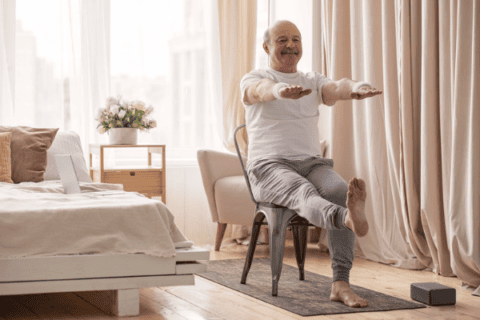
Pain and stiffness can make physical activity difficult, so it can be tempting to move less. However, becoming less active over time can lead to weaker muscles, reduced fitness and poorer balance. This can make everyday activities such as standing from a chair, climbing stairs or walking on uneven ground more difficult.
Maintaining strength is particularly important for the muscles around your hips, thighs, ankles and trunk, which help support and control your body as you move.
Regular physical activity can help improve muscle strength, mobility and balance, and can also provide benefits for pain, fatigue and overall wellbeing. The type and amount of exercise should be appropriate for your abilities, symptoms and health needs.
If you have arthritis or another health condition and are unsure what exercise is right for you, speak with your doctor, physiotherapist or accredited exercise physiologist.
Pain, stiffness and joint problems
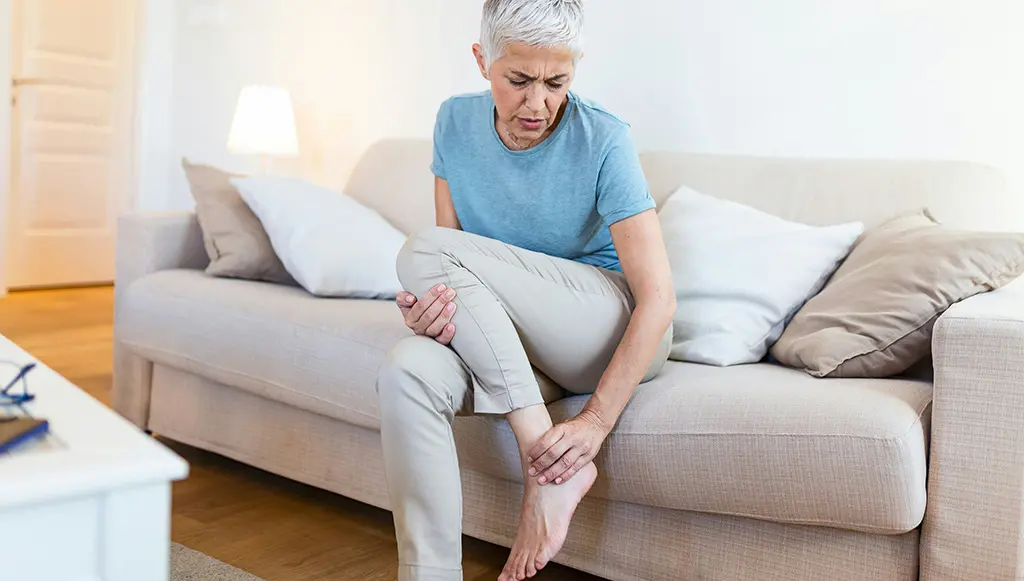
Arthritis pain, stiffness and swelling can affect the way you walk and move. You may change how you use a painful joint to avoid discomfort. Over time, these changes in the way you move can affect your balance and put additional demands on other muscles and joints.
Joint instability or weakness may also make you feel less secure when standing or moving.
If you regularly feel that a joint is giving way, or your pain or swelling is affecting your ability to walk safely, speak with your healthcare professional.
Medications
Some medicines can cause side effects such as dizziness, drowsiness, confusion or changes in balance and coordination, which may increase the risk of falling. This can include some medicines used to manage arthritis, as well as medicines used for other conditions. Taking several medicines can also increase the chance of side effects or interactions.
Do not stop taking prescribed medicines without speaking with your doctor. If you are concerned about your risk of falling, ask your doctor or pharmacist to review your medicines and discuss whether any could be contributing to dizziness or unsteadiness.
Dizziness and changes in blood pressure
Feeling dizzy or light-headed, particularly when standing up, can increase your risk of falling. If you regularly feel dizzy, faint or unsteady, speak with your doctor. They can help identify the cause and determine whether your medicines, blood pressure or another health condition could be contributing.
Pain and fatigue
Pain and fatigue can affect how well you move and how alert you feel. For example, poor sleep because of pain may leave you tired during the day, making it harder to concentrate or react quickly if you lose your balance. Managing pain, fatigue and sleep can therefore be an important part of reducing your overall falls risk.
Check out our Online Relax & Restore for Arthritis Program which focuses on relaxation practices to help manage stress, anxiety and better cope with arthritis pain.
Vision and footwear
Being able to see clearly helps you identify changes in surfaces, steps and obstacles. Foot pain, swelling or changes in sensation can also affect the way you walk and your balance. Wearing comfortable, supportive and well-fitting footwear can help you feel more stable.
Consider having your vision checked regularly and speak with your doctor or podiatrist if foot pain or problems are affecting how you walk.
Your home environment
Falls can happen because of hazards around the home, including poor lighting, slippery surfaces, loose rugs, electrical cords, clutter and uneven surfaces. Small changes to your home can make a difference, particularly if you already feel unsteady.
Tips to help prevent falls
Falls often result from a combination of risk factors. Identifying the things that may increase your risk and making appropriate changes can help reduce the chance of falling.
Keep moving
Regular physical activity can help maintain strength, mobility and balance. Try to include a combination of:
- Strength exercises to help maintain muscle strength.
- Balance exercises to improve stability and control.
- Mobility and flexibility exercises to help you move more easily.
- Aerobic activity to support fitness and overall health.
The Australian physical activity guidelines recommend muscle-strengthening activities on at least two days each week and activities that target mobility, balance and coordination on at least three days each week for adults aged 65 and over.
You do not need to do everything at once. If you are currently inactive, starting with small amounts of movement and gradually building up can be beneficial. If you have arthritis or another health condition, speak with your doctor, physiotherapist or accredited exercise physiologist about exercises that are suitable for you.
Make your home safer
Look around your home for things that could cause you to trip or slip. Consider:
- Removing loose rugs or securing them so they cannot move.
- Keeping walkways clear of clutter and electrical cords.
- Improving lighting, particularly around stairs, hallways and entrances.
- Using non-slip surfaces where appropriate.
- Keeping frequently used items within easy reach.
- Taking extra care with wet or slippery floors.
- Installing handrails where they are needed.
An Occupational Therapist can assess your home and recommend changes or equipment to make everyday activities safer.
Check your footwear
Choose footwear that fits well, is comfortable and provides good support and grip. Avoid walking in loose-fitting slippers, socks or footwear that makes you feel unstable. If arthritis, foot pain or swelling is affecting your footwear choices or the way you walk, speak with your doctor or podiatrist.
Review your medicines
Ask your doctor or pharmacist to review your medicines if you are concerned about falls, particularly if you experience dizziness, drowsiness or unsteadiness. Remember, do not stop or change prescribed medicines without medical advice.
Look after your vision and hearing
Regular vision and hearing checks can help identify problems that may affect your awareness of your surroundings and your ability to respond to hazards. Make sure you use your prescribed glasses or hearing aids when needed.
Talk to your healthcare team
Speak with your doctor if you:
- Have had a fall, even if you were not injured.
- Have had a near-fall or feel increasingly unsteady.
- Feel dizzy or light-headed.
- Feel that a joint is giving way.
- Notice increasing muscle weakness.
- Are worried about your balance or risk of falling.
Your doctor can help identify factors that may be contributing to your falls risk and may refer you to a physiotherapist, occupational therapist, exercise physiologist, podiatrist or other health professional for further assessment and support.
If you do have a fall
A fall can sometimes be a sign that something has changed with your health, balance, strength or medicines. It is important to speak with your doctor after a fall, even if you do not appear to have been injured.
If you have a serious injury, severe pain, loss of consciousness or another medical emergency following a fall, seek urgent medical assistance.
The key message
You cannot always prevent a fall, but you can take steps to reduce your risk.
Keeping active, maintaining muscle strength and balance, managing arthritis symptoms, checking your medicines and vision, wearing suitable footwear and making your home safer can all contribute to staying steady and confident on your feet.
Small changes can make a meaningful difference. If you are concerned about falling, talk with your healthcare team about the right support for you.
This article provides general information and does not replace advice tailored to your health and arthritis.
More information
For more information about physical activity and living well with arthritis, visit The Arthritis Movement’s Arthritis Insights and Resources.
Sources
- Australian Government Department of Health, Disability and Ageing. Recommendations for older adults (65 years and over). Updated March 2026.
- Healthdirect. Older people and falls: causes, treatments and prevention.
- Healthdirect. Physical activity guidelines for older people.
- Healthdirect. Medicines safety for older people.