Gout is one of the most common, and most misunderstood forms of arthritis known for its sudden and intense pain. With the right knowledge and management, it’s also one of the most treatable types of arthritis.

What is gout?
Gout is a type of inflammatory arthritis caused by a build-up of uric acid in the blood either from our bodies making too much or our kidneys not clearing it quickly enough. When urate crystals form in the joints, they can trigger pain, swelling, and inflammation.
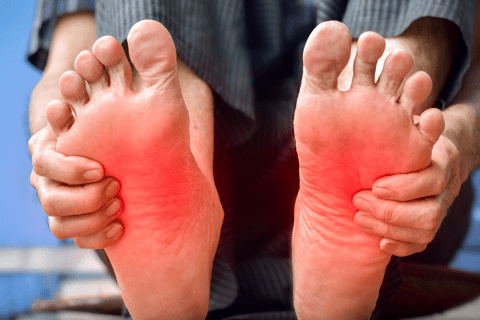
It most commonly affects the big toe, but can also impact the ankles, knees, wrists, and fingers.
What does a gout flare feel like?
A gout attack (or flare) often comes on quickly sometimes overnight. Common symptoms include:
- Sudden, severe joint pain
- Swelling and warmth in the joint
- Red or shiny skin
- Extreme tenderness (even light touch can feel painful)
Flares can last days to weeks and may return if not properly managed. Even if the flare subsides, if crystals are still present this will increase the risk of flares in the future.
What causes gout flares?
- Alcohol intake, especially beer
- Dehydration, not drinking enough water
- Drinking non-diet soft drinks, or fruit juice
- Rapid weight loss
- Injury or trauma to the joint
It’s important to know that gout is not just caused by diet it’s a complex medical condition.
How is gout treated?
Gout management has two key parts: treating flares and preventing future attacks. The goal of gout treatment is to lower uric acid levels in the blood.
During a flare:
- Limit walking and standing on the affected joint
- Avoid certain types of shoes
- Create a bed cradle to keep bed sheets off your affected joints when sleeping
- Anti-inflammatory medications (e.g. NSAIDs, colchicine, corticosteroids)
Long-term management:
- Urate lowering therapies (allopurinol and febuxostat are common options)
- Regular monitoring of uric acid levels
- Ongoing support from your GP or specialist
When managed well, gout can be effectively controlled and flares can sometimes be prevented.
What about diet & lifestyle
Diet plays a supporting role in gout management. Helpful strategies include:
- Limiting alcohol and sugary drinks like soft drinks and juices.
- Including more plant-based foods, whole grains, and low-fat dairy
- Enjoying red meat, white meat, organ meat & seafood in moderation, not excessive amounts.
- Ensure you are eating enough Vitamin C by eating more fruits and vegetables.
The best diet is a well-balanced, healthy one. Other healthy lifestyle choices include
- Staying active
- Quit smoking
- Work closely with your healthcare team.
When should you seek help?
If you experience sudden joint pain, especially in the big toe, it’s important to seek medical advice for diagnosis and treatment. Early management can prevent long-term joint damage.