If It Hurts to Move, How Can Exercise Help Osteoarthritis?
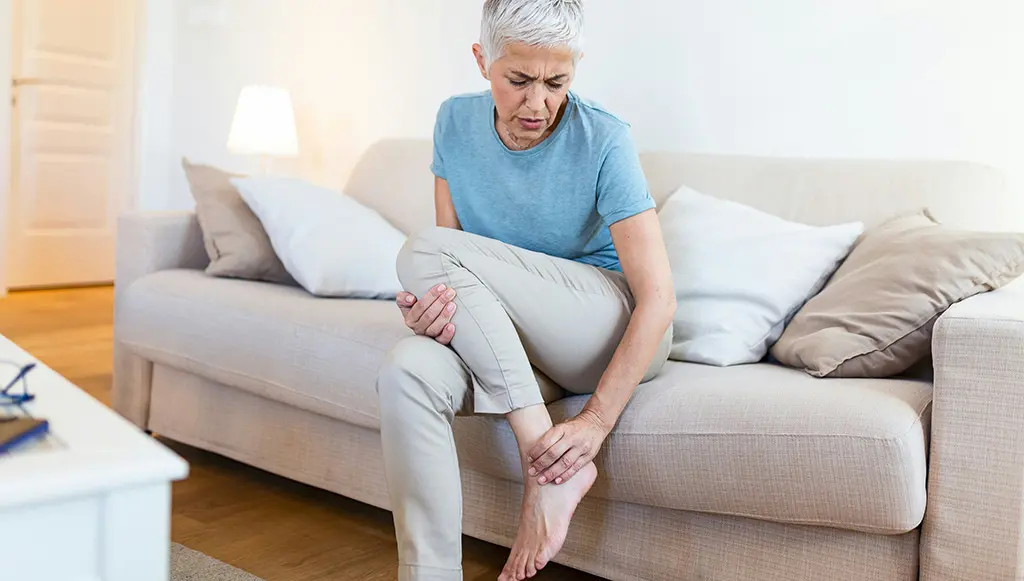
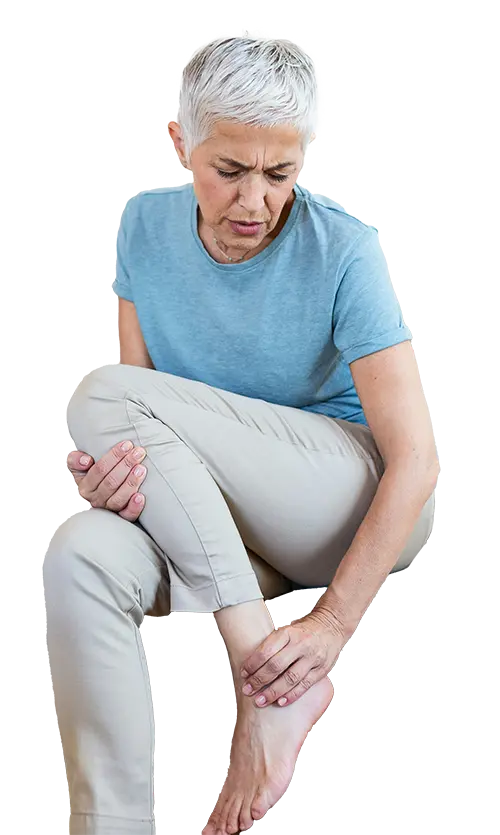
Mary is sitting in front of her GP. Her knee has been sore for the past few months. There wasn’t a specific injury or moment that caused it, but after spending time running around with her grandkids, the pain has gradually increased. She now notices it most when climbing stairs or getting up from a low chair.
Her GP diagnoses osteoarthritis and reassures her that exercise will help. He suggests seeing an exercise physiologist. But Mary is confused — if using her knee hurts, how is exercise supposed to make it better?
Understanding Osteoarthritis
Osteoarthritis is a chronic condition that affects the whole joint — including the bones, cartilage, muscles, and ligaments. It can affect any joint but most commonly occurs in the knees, hips, and hands. On a personal level, osteoarthritis is often painful, fatiguing, and can significantly impact quality of life.
Recent guidelines from the Osteoarthritis Research Society International (OARSI) highlight exercise, education, and weight management as first-line treatments for hip and knee osteoarthritis — prioritised ahead of many medications and surgical options. But why is exercise so effective?
How Does Exercise Help?
Exercise helps manage osteoarthritis through two primary mechanisms: 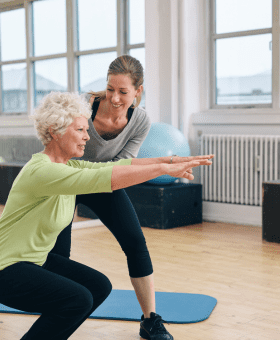
1. Muscle strengthening
Strong muscles around the joint provide support and stability. By building muscle strength, the joint can tolerate more load, allowing you to move more and do everyday activities with less pain.
2. Healthy joint movement
Regular, controlled movement helps nourish the joint, improve load distribution, and reduce stiffness. This cyclic movement can lead to decreased pain and improved function over time.
Beyond joint-specific benefits, exercise also helps regulate mood and reduce fatigue — both of which are commonly affected when living with a chronic condition.
“But Exercise Hurts…”
It’s completely understandable to feel hesitant about exercising a painful joint. However, strong evidence supports exercise as the number one treatment to improve pain and function in osteoarthritis. The key is doing the right type of exercise, at the right intensity, and progressing it safely.
This is where exercise physiologists come in.
How Exercise Physiologists Can Help
Exercise physiologists (often called EPs) are university-qualified health professionals.. We use evidence-based exercise to manage musculoskeletal conditions, chronic disease, and injury prevention.
For osteoarthritis, our role is to design an individualised program that:
- Builds muscle strength and joint capacity
- Avoids unnecessary pain flare-ups
- Fits into your lifestyle
- Addresses barriers to exercise
Tips for Starting Exercise With Osteoarthritis
If you’re considering exercise for osteoarthritis, these tips can help:
1. Start low impact
Activities such as cycling or pool-based exercise allow you to move your joints with minimal impact and often less pain.
2. Include resistance training
Strength training is essential. It can begin in a low-impact, controlled setting and gradually progress as your body adapts.
3. Use movement as pain relief
Joints with osteoarthritis can respond positively to movement — exercise is often a powerful pain reliever rather than a cause of harm.
4. Some pain is okay
With osteoarthritis, mild discomfort during or after exercise can be normal. Discussing this with your exercise physiologist helps you understand what’s acceptable and when adjustments are needed.
5. Education matters
Education is a key part of osteoarthritis management. Learning how your joint responds to exercise empowers you to stay active and confident.
Mary’s Journey Forward
Thankfully for Mary, her GP referred her to a local exercise physiologist. She started with a low-impact resistance program focused on strengthening her thigh muscles and improving functional movement. She also began 10 minutes of gentle cycling each day.
Her program started small and was tailored specifically to her needs. As her confidence and joint capacity improve, her exercises will progress accordingly — helping her return to doing the things she enjoys with less pain.
Written by Alice Hyslop
BPhty/Ex Sci (AEP)
Partner/Principal Physiotherapist & Exercise Physiologist | Allsports Physiotherapy & Sports Medicine
Exercise Physiology Discipline Lead and Regional Partner | Healthia
Find an Exercise Physiologist today
References:
Arthritis Australia (2017) Arthritis Australia – Freedom from arthritis
Gibbs, A. J., Gray, B. Wallis, J. A., Taylor, N. F., Kemp, J. L., Hunter D. J. & Barton, C. J. (2023). Recommendations for the management of hip and knee osteoarthritis: A systematic review of clinical practice guidelines. Osteoarthritis and Cartilage (31): 1280-1292