Flare-ups are a normal part of life with arthritis, but they don’t have to take over your day. Knowing your triggers, pacing activity, resting when needed, and using strategies like gentle movement, heat or cold, and stress management can help reduce their impact. With a little planning and self-care, you can navigate flare-ups more confidently and get back to the activities you enjoy.
Flare-ups are a normal part of living with arthritis. They can appear suddenly, bringing increased pain, stiffness, and fatigue that make everyday tasks feel overwhelming. While flare-ups can be frustrating, it’s important to remember that they don’t have to take over your life. With the right strategies, you can reduce their impact and regain control of your day.

Understanding your Flare-Ups
A flare-up occurs when your arthritis symptoms temporarily worsen. This can be triggered by overexertion, stress, changes in weather, illness, or even periods of increased activity. Everyone’s triggers are unique, so paying attention to your body and noticing patterns is a key first step in managing flare-ups effectively.
1. Know Your Triggers
Keeping a simple diary of your symptoms, activities, and stress levels can help you identify what sparks your flare-ups. For some, it might be long periods of standing or walking; for others, emotional stress or lack of sleep. Once you know your triggers, you can make small adjustments to prevent or lessen flare-ups.
2. Pace Yourself
One of the most effective ways to manage flare-ups is pacing. This means balancing activity with rest to protect your joints and energy. Break tasks into smaller steps, take regular breaks, and avoid pushing through pain. By listening to your body and responding with care, you reduce the risk of worsening symptoms and make your flare-ups more manageable.
3. Gentle Movement Helps
It may seem counterintuitive, but gentle movement during a flare-up can help keep your joints mobile and reduce stiffness. Simple stretches, short walks, or gentle range-of-motion exercises can ease discomfort and support recovery. Avoid high-impact activities that strain your joints, but aim to keep moving in ways that feel safe for you.
4. Use Heat and Cold
Heat and cold therapies can provide fast relief during a flare-up. Warm showers, heating pads, or warm compresses can relax stiff muscles and ease joint discomfort. Cold packs, on the other hand, can reduce inflammation and numb pain in swollen areas. Experiment to see which approach works best for you, and always protect your skin.
5. Manage Stress and Rest Well
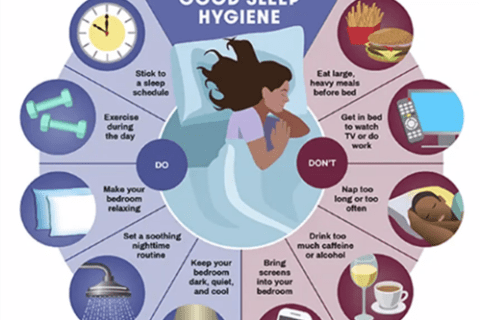
Stress and fatigue can make flare-ups worse. Incorporating stress-reduction techniques such as deep breathing, meditation, or gentle yoga can help your body cope better. Prioritising sleep and taking short rest periods during the day gives your body the chance to recover and reduces the intensity of flare-ups.
6. Manage Medications Safely and Appropriately
If you have a flare plan with information on how to adjust medications safely, ensure you follow instructions as directed. Over-the-counter pain relief can sometimes help, but always check with your healthcare provider.
7. Seek Professional Advice if Needed
If flares are severe, last longer than usual, or are unpredictable, speak with your GP or rheumatologist.
8. Plan Ahead
Having a flare-up plan can give you confidence to navigate challenging days. This might include adjusting your schedule, preparing easy-to-reach meals, or asking for support with household tasks. Knowing you have a plan reduces anxiety and helps you stay engaged in the activities you enjoy.
While flare-ups are an inevitable part of arthritis, by understanding your triggers, pacing activity, moving gently, using heat or cold, and managing stress, you can reduce their impact and bounce back more quickly. With a little preparation and self-care, flare-ups become manageable, and you can continue to live an active, fulfilling life.