If you live with arthritis, you may be familiar with a deep, persistent tiredness that does not go away, even after a full night of sleep. This kind of fatigue goes beyond normal tiredness. It affects both the body and the mind and is often described as overwhelming exhaustion, low energy, or a sense of heaviness that makes even everyday tasks feel difficult.
Even when you get enough sleep, fatigue can persist, leaving you feeling worn out and unmotivated. Sleep itself may be disrupted, whether due to discomfort, anxiety, or irregular routines, and poor sleep only makes fatigue worse. This can create a cycle where fatigue affects sleep, and poor sleep increases fatigue.
If you want to explore this further, we recommend reading our previous article:
Understanding Fatigue in Arthritis: Why Does Arthritis Make You Tired?
The good news is that while some causes of fatigue may be outside your control, many factors that affect sleep can be adjusted. Small, practical changes to sleep habits, routines, and daily activities can improve both the quality of your rest and your energy levels during the day.
Let’s take a closer look at what influences sleep and fatigue and what you can do to feel more rested and energised.
What Might Be Affecting Your Sleep?
There are several common reasons why sleep can be disrupted, many of which are modifiable. You may have heard of some of these before, but it’s worth taking a closer look.
1. Pain
Pain is bi-directional with sleep, meaning:
- Pain can make it more difficult to fall asleep and stay asleep
- Poor sleep can actually increase how sensitive you are to pain
This creates a cycle that can feel difficult to break, but it is possible to manage with strategies that support both sleep and pain control.
Try going to bed with a hot water bottle, applying heat cream to your joints or taking your prescribed pain-relief medication in the evening before bed.
2. Electronics & Phone Use
Watching TV, playing video games, or scrolling on your phone before bed (especially in bed) can make it harder for your brain to switch off. This is particularly true if you’re engaging with highly stimulating or stressful content, such as work emails, competitive games, or intense shows.
If you don’t have trouble sleeping, there’s no need to stress. The key is noticing whether electronics impact your own sleep quality.
3. Anxiety & Overthinking
Stress and racing thoughts are common barriers to a good night’s sleep. Typical culprits include:
- Worrying about the future, especially things you cannot control
- Rehashing things from the past
A helpful strategy is to write things down before bed. If the stress is out of your control, give yourself permission to leave it until the morning.
4. Food, Caffeine & Alcohol
What you eat and when you eat it matters more than you might think.
- Heavy meals late at night can make it harder to fall asleep comfortably.
- Alcohol might help you feel drowsy at first, but it usually leads to lighter, disrupted sleep.
- Caffeine can stay in your system for hours, even if you don’t feel alert at the time.
5. Napping
Napping can be helpful for managing fatigue, but it can also affect your sleep at night if not done carefully. Long or late naps reduce your body’s natural sleep pressure, making it harder to fall asleep at bedtime, and can shift your internal body clock. To get the benefits without disrupting nighttime sleep, keep naps short (around 20 to 30 minutes) and take them earlier in the day, ideally before mid-afternoon.
6. Inconsistent Sleep Patterns
Going to bed and waking up at very different times during the week versus weekends can confuse your body clock. Unfortunately, you cannot “catch up” on sleep. Sleeping in on weekends does not fully repay lost sleep and can even make fatigue worse. Aim to go to bed and wake up within one to two hours of your weekday routine for better long-term sleep.
What Causes Fatigue?
While sleep is a major factor, fatigue can also be influenced by other factors that are not always within your control. These include:
- Poor sleep
- Pain
- Arthritis-related inflammation or side effects
- Medication side effects
- Poor nutrition
- Chronic stress
- Low movement or exercise
- Low mood or mental health challenges
Fatigue is rarely caused by just one thing, which is why it can feel complex and persistent. Understanding all the contributing factors can help you take practical steps to manage your energy more effectively.
So What Can You Do? (Sleep Hygiene That Actually Works)
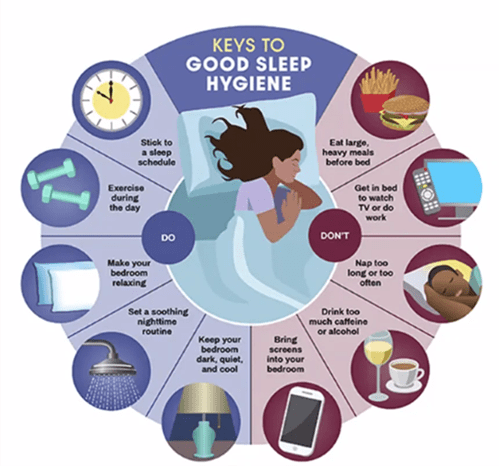
- Create a Strong Sleep Routine
Consistency is key. Try to go to bed and wake up at similar times each day and avoid large differences between weekdays and weekends. Your body thrives on rhythm, and a steady routine makes it easier to fall asleep and wake up feeling refreshed.
- Use Your Bed for Sleep Only
This is called ‘stimulus control’, and it’s one of the most powerful tools for better sleep. Train your brain to associate bed with sleep, not scrolling, tv watching, working or studying. That means:
- Avoid using your bed for non-sleep activities
- Only go to bed when you actually feel sleepy
- If You Can’t Sleep… Get Up
This might sound strange, but lying in bed awake can actually make insomnia worse. Instead:
- Get out of bed and keep the lights low or off
- Do something boring and calming such as:
-
- Listening to soft music
- Reading something dull
- Doing a puzzle or word search
- Even something like counting tiles on the floor
- Once you feel sleepy again, head back to bed.
4. Work With Your Mind, Not Against It
Racing thoughts at night are common. Try:
- Writing down worries or to-do lists before bed
- Reminding yourself that you can deal with things in the morning
You don’t have to solve everything at 2am, and giving your mind permission to pause can help you fall asleep faster.
If you would like to learn more about mindfulness techniques try our 6-week Relax and Restore Classes. By incorporating slow breathing and relaxation techniques, this program can help reduce stress levels, reduce pain and muscle tension, and improve sleep.
- Keep Moving (Gently)
Even though fatigue makes you want to rest, low activity can actually make tiredness worse. Gentle, regular movement can:
- Improve sleep quality
- Boost energy levels
- Help manage pain
It doesn’t have to be intense, just consistent.
- Have a goal you want energy for
Fatigue management isn’t just about sleeping better – it’s about living better. Commitment to any management strategy is most effective when connected to meaningful goals.
Your goal might be:
- Having the energy to see friends more often
- Focusing better at work or study
- Enjoying more quality time with your partner or family
When you connect your habits to something meaningful, it becomes easier to stick with them.
Final Thoughts
Fatigue can feel overwhelming, but you are not powerless against it. While you can’t control everything (like pain or medication effects), there are practical ways to improve your sleep and support your energy.
Start small:
- Adjust your sleep routine
- Notice what affects your rest
- Focus on consistency rather than perfection
Better sleep doesn’t just mean better nights, it means better days too.
Additional Resources
- Chill and Chat: Sleep and Fatigue Management with Arthritis, Dr Joanne Dudeney
- Boost Your Energy: Easy fatigue-busters to get you through the day
- Fatigue & Arthritis
Information adapted from Jo Dudeney, Clinical Psychologist at SCHN
Written by Emily Guenther, March 2026